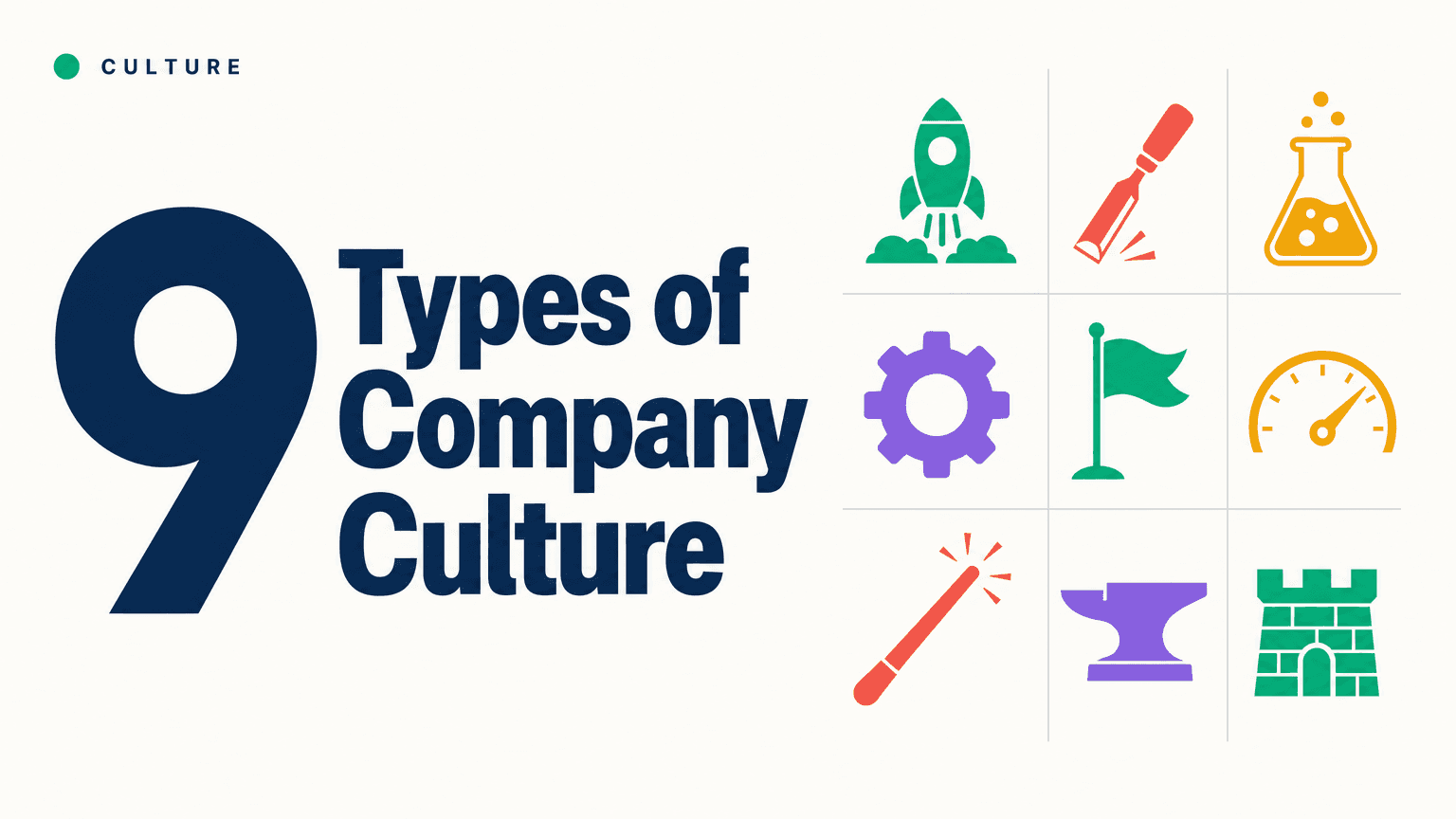
The 9 Types of Company Culture
Most company culture frameworks are technically correct and practically useless. Nine operating patterns — the kinds of companies you actually work in, with the tradeoffs that come with each.
Practical ideas for understanding your team. Explore culture, feedback and onboarding with guides for HR professionals and people managers.
Browse articles
13 articles · newest first
Most company culture frameworks are technically correct and practically useless. Nine operating patterns — the kinds of companies you actually work in, with the tradeoffs that come with each.
Burnout culture is usually visible — if you stop asking the wrong questions. How to spot the structural red flags in an interview before you join.
Technical skill gets you in the room. Political IQ decides what happens next. Why smart technical people keep hitting the wall mid-career — and what actually breaks through.
Give new teammates useful context about communication, feedback and collaboration. Start with a personal user guide they can confirm and update.
Before using an AI-generated assessment summary, check its source, remove inferred motives, and confirm working preferences with the person it describes.
DISC was never designed to predict job performance. So why do most companies treat it like a hiring crystal ball?
The same feedback delivered two different ways can motivate one person and devastate another. Here's how to match delivery to personality.
82% of managers got the title without the training. Personality data is the shortcut they never received.
MBTI tells you how someone thinks. DISC tells you how they act. Enneagram tells you why. Use one and you get a sketch. Use three and you get a portrait.
Psychological safety has become a corporate cliche. Here's how to actually build it, minus the posters and platitudes.
Remote teams do not need more calendar time. They need better shared context.
Your team doesn't have a communication problem. It has a context problem. Here's what's actually going wrong.
Choose a useful format for discussing working preferences, ask for concrete examples, and confirm what the person wants colleagues to know.